A Taste of Heritage: Traditional South African Recipes
Delve into the rich culinary heritage of South Africa with our collection of time-honored recipes. These dishes, passed down through generations, embody the spirit of Ubuntu and the diverse flavors of our Rainbow Nation.
Bobotie
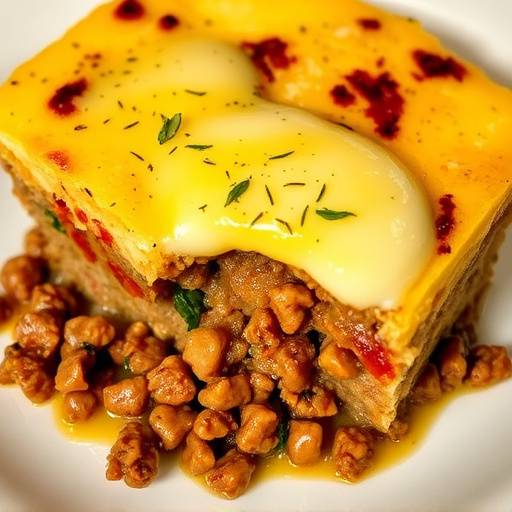
Bobotie is arguably South Africa's national dish. This savory minced meat dish, fragrant with spices like turmeric, curry powder, and dried fruit, is topped with a creamy egg custard and baked to golden perfection. It’s a comforting and flavorful dish that reflects the Cape Malay influence on South African cuisine.
History: Bobotie's origins can be traced back to the Dutch East India Company in the 17th century. The name is believed to be derived from the Indonesian word "boe-boe," meaning curry.
Ingredients: Minced beef or lamb, bread, milk, onion, garlic, curry powder, turmeric, chutney, dried apricots, raisins, eggs, bay leaves.
Serving Suggestion: Serve hot with yellow rice, chutney, and sliced bananas. A dollop of yogurt adds a cooling contrast to the spices.
View Full Recipe
Biltong
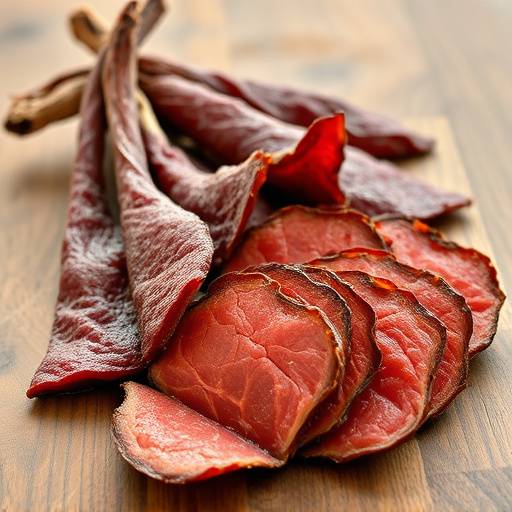
Biltong is a form of dried, cured meat that originated centuries ago. It's similar to jerky but boasts a unique flavor profile thanks to the curing process and spices used. Biltong is a beloved snack and a staple in South African households.
History: Biltong was initially created by early settlers as a way to preserve meat without refrigeration. The curing process involved salting, spicing, and air-drying the meat.
Ingredients: Beef (silverside or topside), vinegar, coriander seeds, black pepper, salt, brown sugar, bicarbonate of soda (optional).
Serving Suggestion: Enjoy biltong as a snack on its own, or add it to salads, sandwiches, or cheese platters. Pair it with a glass of South African wine for a true taste of the country.
View Full Recipe
Boerewors
Boerewors, meaning "farmer's sausage" in Afrikaans, is a coarse, flavorful sausage traditionally made from beef, pork, and spices. Its distinctive coiled shape and smoky flavor make it a barbecue staple.
History: Boerewors has its roots in the traditions of the Voortrekkers, the early Dutch settlers who migrated inland. The sausage was a practical way to preserve meat during long journeys.
Ingredients: Beef, pork, spices (coriander, black pepper, nutmeg), vinegar.
Serving Suggestion: Grill boerewors over hot coals (braai) and serve it in a hot dog roll with tomato sauce, mustard, or chutney. It's also a great addition to potjiekos.
View Full Recipe
Bunny Chow
Bunny Chow is a Durban specialty: a hollowed-out loaf of white bread filled with a flavorful curry, typically mutton, chicken, or beans. It’s a messy, delicious, and iconic South African street food.
History: Bunny chow is believed to have originated in Durban's Indian community during the apartheid era. It was a convenient and affordable way for laborers to carry their lunch to work.
Ingredients: White bread loaf, curry (mutton, chicken, or beans), potatoes, onions, tomatoes, spices.
Serving Suggestion: Eat bunny chow with your hands, tearing off pieces of the bread to scoop up the curry. Don't be afraid to get messy – it's part of the experience!
View Full Recipe
Malva Pudding
Malva Pudding is a sweet and sticky baked sponge pudding, soaked in a rich, creamy caramel sauce. It's a quintessential South African dessert, perfect for warming up on a cold winter's night.
History: The origins of Malva Pudding are somewhat mysterious, but it's believed to have been passed down through generations of Afrikaans families.
Ingredients: Flour, sugar, eggs, butter, vinegar, bicarbonate of soda, milk, apricot jam, cream, sugar, butter, vanilla extract.
Serving Suggestion: Serve Malva Pudding warm with custard, ice cream, or whipped cream. Its comforting sweetness is sure to please any sweet tooth.
View Full Recipe
Potjiekos
Potjiekos, meaning "small pot food," is a traditional South African stew cooked in a three-legged cast iron pot over an open fire. It's a social and flavorful dish, often enjoyed at gatherings and celebrations.
History: Potjiekos has its roots in the early days of South African settlement. The pot was a practical and versatile cooking vessel for pioneers traveling across the land.
Ingredients: Meat (usually lamb or beef), vegetables (potatoes, carrots, onions, cabbage), spices, stock, red wine (optional).
Serving Suggestion: Serve potjiekos directly from the pot, allowing each person to scoop out their portion. It's best enjoyed with crusty bread or pap (maize porridge).
View Full Recipe
Chakalaka
Chakalaka is a spicy South African vegetable relish, typically made with beans, tomatoes, onions, peppers, and spices. It's a flavorful accompaniment to many dishes, adding a kick of heat and vibrant flavor.
History: Chakalaka originated in the townships of Johannesburg, where it was created as a flavorful and affordable way to add vegetables to meals.
Ingredients: Beans (usually baked beans or kidney beans), tomatoes, onions, peppers, carrots, curry powder, chili, garlic.
Serving Suggestion: Serve chakalaka as a side dish with braais (barbecues), pap (maize porridge), or curries. It's also delicious on sandwiches or as a topping for baked potatoes.
View Full Recipe
Melktert
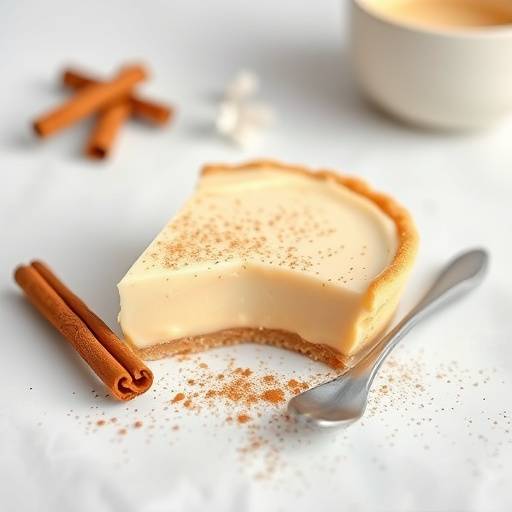
Melktert, or milk tart, is a traditional South African dessert consisting of a sweet pastry crust filled with a creamy milk custard, dusted with cinnamon. It's a comforting and beloved treat, often enjoyed with a cup of tea.
History: Melktert is believed to have originated in the Cape Dutch community, with influences from Dutch and Indonesian cuisine.
Ingredients: Flour, butter, sugar, eggs (for the crust); milk, sugar, flour, eggs, cinnamon, vanilla extract (for the filling).
Serving Suggestion: Serve melktert chilled or at room temperature, dusted generously with cinnamon. It's a perfect dessert for any occasion.
View Full Recipe